

With technology and user expectations constantly evolving, it’s crucial to stay updated with the latest knowledge and skills. The right resources can make all the difference, providing you with the foundational understanding and practical insights necessary to excel in these fields. Whether you’re just starting out or looking to deepen your expertise, the following five books come highly recommended by industry professionals. They cover a range of essential topics, from usability and human-centered design to coding and rapid prototyping.
Make sure to read along to the end as I have included a few bonus picks!
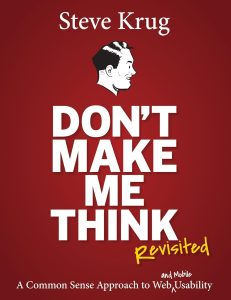
This influential book on web usability has been a favorite among UX designers for over a decade. In “Don’t Make Me Think,” Steve Krug breaks down the principles of intuitive navigation and information design with wit and clarity. The revised edition includes updated examples and a new chapter on mobile usability, making it more relevant than ever.
Krug’s practical advice on creating user-friendly websites is essential for anyone involved in web design. His emphasis on simplicity and clarity will help you design interfaces that are easy to use and navigate.
• Understand the importance of intuitive navigation
• Learn how to conduct effective usability testing
• Discover the principles of clear and concise web design
Purchase Here: Buy “Don’t Make Me Think” on Amazon
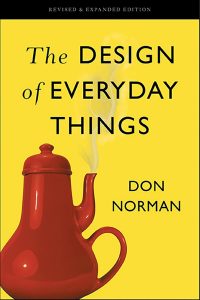
Don Norman’s classic book, “The Design of Everyday Things,” delves into the psychology behind good design. Norman explores how design can make everyday objects intuitive and user-friendly. While the book isn’t specifically about web design, the principles of human-centered design discussed are directly applicable to UX design.
Understanding the fundamentals of design thinking and human-centered design is crucial for creating effective user interfaces. Norman’s insights will help you think like a designer and create products that truly meet user needs.
• Grasp the basics of human-centered design
• Learn how to design products that are easy to use
• Understand the importance of usability and accessibility
Purchase Here: Buy “The Design of Everyday Things” on Amazon
Jon Duckett’s “HTML and CSS” is a beautifully designed book that offers a comprehensive introduction to web development. Duckett explains the basics of HTML and CSS with stunning visuals and clear explanations. This book is perfect for beginners looking to build a solid foundation in web development.
Essential for anyone starting out in web development, this book provides a solid foundation in HTML and CSS. Duckett’s engaging writing style and practical examples make learning these core technologies enjoyable and accessible.
• Learn the fundamentals of HTML and CSS
• Understand how to structure and style web pages
• Gain practical experience through hands-on examples
Purchase Here: Buy “HTML & CSS” on Amazon
A follow-up to his HTML and CSS book, Jon Duckett’s “JavaScript and JQuery” teaches you how to create interactive and dynamic web pages. The book is filled with practical examples and beautiful infographics that simplify complex concepts. Duckett covers everything from the basics of JavaScript to the intricacies of jQuery.
JavaScript is a must-know language for web developers, and this book provides an excellent introduction. Duckett’s clear explanations and hands-on examples will help you quickly master JavaScript and jQuery.
• Learn the fundamentals of JavaScript programming
• Understand how to use jQuery to simplify JavaScript coding
• Create interactive and dynamic web pages
Purchase Here: Buy “Javascript & JQuery” on Amazon
Written by a team from Google Ventures, “Sprint” offers a unique five-day process for solving tough problems and testing new ideas. The book provides a step-by-step guide to running a sprint, complete with real-world examples and practical advice. This method is ideal for UX designers looking to rapidly prototype and test their ideas.
Learn how to quickly turn ideas into prototypes and gather user feedback in just five days. The sprint process is a valuable skill for UX designers, helping you bring products to market faster and more effectively.
• Master the five-day sprint process
• Learn how to rapidly prototype and test ideas
• Gain insights into team collaboration and problem-solving
Purchase Here: Buy “Sprint” on Amazon
As promised – if you made it to the end of this post I have provided 3 bonus picks for books I enjoyed reading and found extremely helpful in my journey to becoming a UX Designer and Web Developer.
These books provided me with a solid foundation of knowledge and also gave me the confidence to actively pursue this career and approach the interview process as a strong candidate.
This book is a fantastic introduction to design thinking and its application in UX design. Uijin Park breaks down the basics of user experience design in an easy-to-understand manner, making it accessible for beginners. The book includes practical exercises and real-world examples to help you apply design thinking principles to your projects.
It provides a clear and concise introduction to design thinking and UX, making it perfect for those new to the field. The practical exercises will help you apply what you learn immediately.
• Understand the basics of design thinking
• Learn how to apply design thinking to UX projects
• Gain practical experience through exercises and real-world examples
Purchase Here: Buy “Design Thinking for UX Beginners” on Amazon
“Hooked” by Nir Eyal is an essential read for anyone looking to understand how to build products that keep users coming back. Eyal presents the “Hook Model,” a four-step process that companies use to create habit-forming products. The book is filled with examples from successful companies and provides actionable insights into user behavior.
Understanding the psychology behind user habits can help you design more engaging and effective products. Eyal’s Hook Model is a powerful tool for creating products that users love.
• Learn the Hook Model for creating habit-forming products
• Understand the psychology behind user habits
• Discover practical strategies for increasing user engagement
Purchase Here: Buy “Hooked” on Amazon
This book provides valuable career advice for designers looking to advance to senior roles. Artiom Dashinsky shares insights and strategies for learning new skills, leading teams, and leveling up in your career. The book includes interviews with senior designers and practical tips for professional growth.
It’s an excellent resource for designers aiming to take their careers to the next level. The practical advice and real-world examples will help you navigate the path to becoming a senior product designer.
• Learn strategies for professional growth and advancement
• Gain insights from interviews with senior designers
• Discover practical tips for leading teams and learning new skills
Purchase Here: Buy “The Path to Senior Product Designer” on Amazon
Reading these eight books will provide you with a solid foundation in UX design and web development. Each book offers unique insights and practical knowledge that can help you become a more effective designer or developer.
Don’t miss out on the opportunity to learn from the best in the industry and gain the confidence to take your career to the next level!